Collection: Shafts
Choosing the right shaft for your woods is crucial to getting maximum performance. The shaft is the engine of the club and affects everything from swing speed and trajectory to control and feel.
Here are the most important factors you need to keep in mind when choosing shafts for woods:
1. Flex (Stiffness)
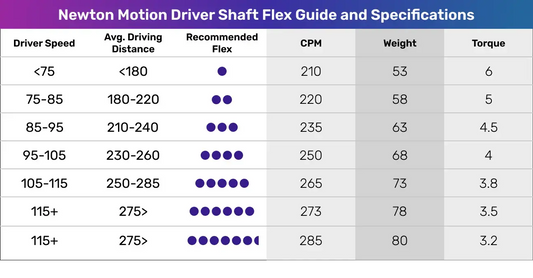
The flex of the shaft indicates how much it bends during the swing. The right flex matches your swing speed and is the key to both distance and control.
-
L-Flex (Lady): For those with a swing speed below 60 mph.
-
A-Flex (Senior): Fits swing speeds between 60-75 mph.
-
R-Flex (Regular): For swing speeds of 75-90 mph.
-
S-Flex (Stiff): For fast swings between 90-105 mph.
-
X-Flex (Extra Stiff): For swing speeds over 105 mph.
If the shaft is too soft for your swing speed, you risk hitting a hook and getting a high ball trajectory with too much spin. If it is too stiff, the ball can fly lower than desired and you can easily hit a slice.
2. Weight
The weight of the shaft affects your swing speed, stability and feel.
-
Lighter shaft (50-70 grams): Can help you increase your swing speed, which in turn gives you more distance. Great for players with lower to medium swing speeds.
-
Heavier shaft (70–90+ grams): Provides more stability and control. It is a popular choice for golfers with higher swing speeds who prioritize precision over maximum speed.
3. Kickpoint (Bending Point)
Kickpoint is the point where the shaft bends the most during the swing. This has a major impact on the ball trajectory.
-
Low kickpoint: The shaft bends close to the clubhead. This generates a higher launch angle and more spin, which is good for those who have difficulty getting the ball into the air.
-
High Kickpoint: The shaft curves higher, closer to the grip. This produces a lower, more penetrating trajectory with less spin. It is a popular choice for players who naturally hit the ball high and want more control, especially in windy conditions.
4. Torque (Torsion stiffness)
Torque measures how much the shaft twists during the swing, from ball impact to the end of the swing.
-
Low torque (2-3°): Provides less twist and more stability, which is often preferred by players with high swing speeds to achieve a straighter ball flight.
-
High torque (4-6°): Provides more twist, which can contribute to a higher ball trajectory and a softer feel.
The right choice of materials
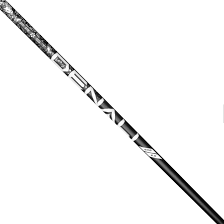
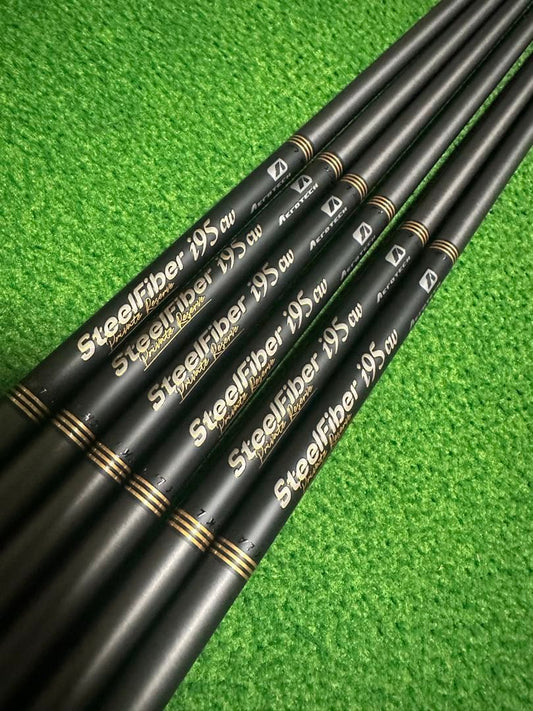
Almost all woods today use graphite shafts . They are much lighter than steel shafts, which helps you generate higher swing speeds. They also dampen vibrations better than steel, which gives a more comfortable feel. Steel shafts can be found as an option in fairway woods for the best players seeking maximum control, but they are uncommon.
Why is custom fitting important?
Choosing a shaft is all about finding the perfect balance between all of these factors for your particular swing. The best way to find the shaft that maximizes your performance is to book a custom fitting with an experienced club fitter. There, you can test different combinations with a launch monitor (like the Trackman) to see exactly how different shafts affect your ball speed, spin, launch and distance.